
Water Source Testing for Leaks and Water Ingress
On-site water testing that indicates whether leaking water is mains, pool, heating or rain, supporting the thermal survey findings.
Finding where water is getting in is only half of a leak investigation. Knowing where it came from decides who is responsible and which trade is called, and a wet patch on its own rarely says which it is.
Thermography Services (UK) adds on-site water source testing to leak detection and water ingress surveys. Where water is found, we test it there and then for free and total chlorine, the marker of treated mains and pool water, and add further chemistry checks where the investigation needs them. The results sit in the survey report beside the thermal findings, as a second line of evidence.
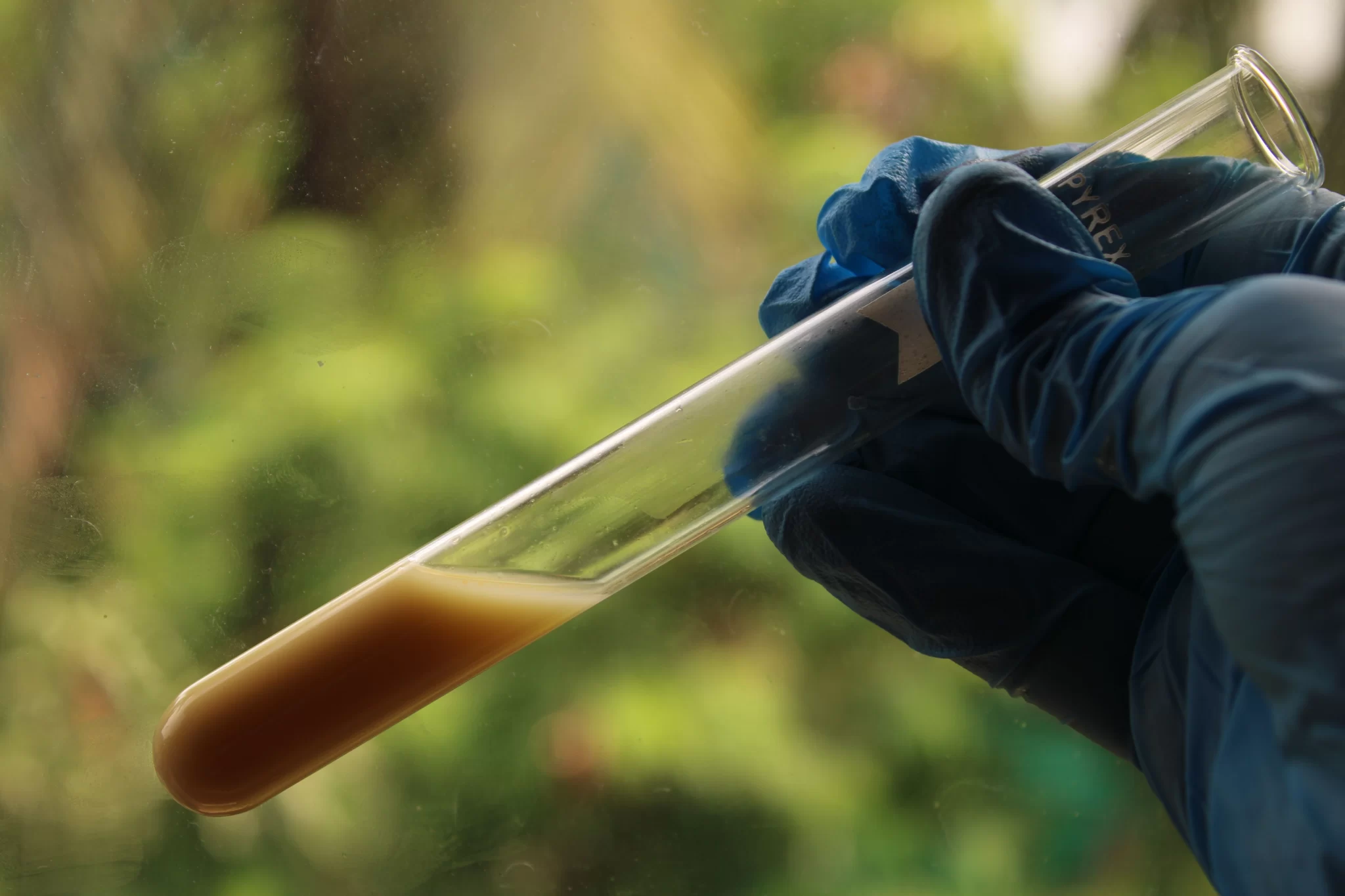
Thermal imaging shows where the water is; on-site testing indicates where it came from.
Every leak investigation reaches the same question sooner or later: is this water from the mains, the pool, the heating, the drains or the sky? The answer often decides who is responsible and what happens next, yet the water itself is rarely tested.
Water source testing changes that. Where water is found on site, in a chamber, a duct, a ceiling void, a wall cavity, wet ground or around a pool surround, we take a sample and test it there and then. Chlorine is the first marker. Mains supply and pool water are treated with it; rain, ground water and condensation are not. A positive result is therefore consistent with a supply or pool leak and helps set other sources aside. We measure both free and total chlorine, because in some supply areas the mains carries its chlorine mostly in a combined form that a free chlorine test alone would miss. The test is made at the time of sampling because chlorine does not keep: it fades within minutes to hours and is used up by soil, concrete and plaster, so a sample posted away and tested days later has little left to say.
Further water chemistry checks can be added where the investigation calls for them, from markers of pool water and of heating or underfloor heating systems to signs of drainage and sewage, with conductivity to help tell rain from treated water. Every result goes into the survey report as a supporting line of evidence alongside the thermal findings, never as a verdict on its own.
On-site water testing that indicates whether leaking water is mains, pool, heating or rain, supporting the thermal survey findings.
Page Subjects
water leak source testing, chlorine test for water leak, leak source identification, water ingress source testing, mains or rainwater leak test



Page Tags
water source testing, chlorine testing, leak detection, water ingress, pool leaks, heating system leaks, underfloor heating leaks, thermal survey
Add Water Testing to Your Survey
Water source testing is an optional addition to a leak detection or water ingress survey, scoped to the investigation in front of us. Tell us where the water is appearing and when it started, whether there is a pool, a heating or underfloor heating system or drainage nearby, and what has been tried so far to find it. We will come back with a clear proposal and a quotation that includes the testing your investigation needs.

The chemistry behind the test
What Water Can Tell You
Water carries a record of where it has been. Not a complete one, and not one that lasts, but often enough to separate the likely sources of a leak from one another.
Chlorine is the clearest part of that record. Water companies disinfect the mains supply with it, and pools are dosed to keep the water safe to swim in, so both carry chlorine out of the tap or the pool. Rain does not, ground water does not, and condensation, which forms from water vapour in the air, does not either. Find chlorine in water standing where it should not be, and the result is consistent with treated water from a supply pipe or a pool. Some water companies disinfect with chlorine in a combined form, which is why we measure total chlorine as well as free chlorine and compare the two.
Absence is a different matter. Chlorine is reactive. It fades in the open within minutes to hours, and it is used up as water passes through soil, concrete, screed and plaster. Water that left a supply pipe as treated water can reach a wall cavity with none left. That is why a nil result is never reported as an all-clear, and why the test is made on site at the time of sampling.
Other markers last longer. Pool water dosed with stabilised chlorine carries a stabiliser that rain never would. Heating and underfloor heating systems are usually dosed with a corrosion inhibitor. Drainage and sewage carry ammonia. Rain is very dilute, so a conductivity reading helps tell it apart from mains, pool or ground water.
Some results need care. In a pool hall, chlorine compounds in the air can dissolve into condensation, so chlorine in condensate on a pool hall wall does not on its own point to a leaking pool. Several sources can also feed one wet area at once, so no single reading is read in isolation.
Chemistry and thermography answer different questions. The thermal survey shows where moisture sits and how it moves through the fabric; the water test indicates what that water is. Together they make a stronger case than either can alone.
Related Water Leak Detection Services
How a sample is taken
Sampling on the Day
Good results start before the visit. We read the water company’s supply zone report for the postcode first. It shows whether the local mains carries free or combined chlorine, with other details of the water in that area, so we know what treated water from that supply should look like before a sample is taken.
On site, the sample is taken from the water where it is found, and the time of sampling and the time of testing are both recorded. Chlorine is read at once. The same day, we take reference samples from a mains tap and, where there is one, from the pool, so the suspect water is compared with the real sources at that property rather than with textbook ranges.
Each result is reported with what it can and cannot show.
This is on-site screening that supports the thermal survey, not a laboratory analysis. Where an insurance claim or a dispute depends on the result, we recommend accredited laboratory testing. A laboratory sample needs its own handling: a clean bottle filled to the top, kept cool and dark, labelled with where, when and by whom it was taken, and a chain-of-custody record. Chlorine still has to be read on site, because it will not survive the journey.
Standards and Governance
Thermographic inspection, analysis and reporting are carried out by a Thermography Services (UK) ITC Level III Certified Master Thermographer (Infrared Training Centre; Certification #205722059), practising in accordance with the frameworks of ISO 18436-7:2014, ASNT SNT-TC-1A and ANSI/ASNT CP-105, and BINDT CMGEN Appendix B (UK training governance). Building inspection methodology is aligned with EN ISO 6781-1:2023, published in the UK as BS EN ISO 6781-1:2023 (building envelopes); leak analysis on buried pipes follows a documented procedure aligned with the principles of ISO 10880:2017 and BS EN 16714-1:2016. Free and total chlorine are measured on site by the DPD colorimetric method, in line with ISO 7393-2:2017, using reagents stated by their manufacturer to meet it; other water chemistry markers are screening checks using the manufacturer’s own methods. Water testing is on-site screening, not accredited laboratory analysis.
Water Leak Source Testing
Is my leak mains water or rainwater?
It is one of the most common questions in any leak or water ingress investigation, and one of the most consequential, for homeowners, landlords, managing agents, loss adjusters and pool owners alike. Water leak source testing gives it an evidence-based answer. Mains water carries chlorine from the supply; rainwater does not. A chlorine test for a water leak, made on site at the time the sample is taken, can therefore indicate whether water in a ceiling, a wall or a chamber is consistent with a supply pipe, or whether rain, ground water or condensation should be looked at instead.
Leak source identification matters because the source decides the next step. A supply pipe, a roof, a leaking pool, a heating circuit and a drain each point to a different specialist and often a different party responsible. Water ingress source testing adds a second, independent line of evidence about what the water is, alongside the thermal survey that finds where it sits.
On-site water testing for leaks, and its limits
Our on-site water testing for leaks starts with chlorine, measured as both free and total chlorine. A pool leak chlorine test works on the same principle, since pool water is dosed with chlorine, and it can be supported by a stabiliser check where the pool uses stabilised chlorine. Heating and underfloor heating water can be screened for corrosion inhibitor, drainage water for ammonia, and conductivity can serve as a mains or rainwater leak test where the investigation needs a second marker.
Every test has limits, and we state them. A positive chlorine result indicates treated water; on its own it does not prove the source. A nil result is not an all-clear, because chlorine fades quickly and is consumed by soil, concrete and plaster. Results are screening measurements made in the field and reported beside the thermal findings, with what each can and cannot show. Because every reading is compared with reference samples taken the same day from the mains and, where there is one, the pool, the comparison rests on that property’s own water rather than on typical values. The results are not a laboratory analysis or a regulatory test, and where a claim or a dispute depends on them we recommend accredited laboratory testing.
Water source testing is available on leak detection and water ingress surveys for clients in the UK and internationally. For water entering through roofs and walls, see our Flat Roof and Water Ingress Surveys; for damp and mould, our Damp, Mould and Condensation Surveys. Where a buried main is surveyed from the air, the flight is carried out by Drone Media Imaging, which can add ground sampling alongside it. The report sets out the thermal and the chemical evidence separately, so anyone reading it can see what each conclusion rests on. Every report is written and certified by our Level 3 thermographer.
Chlorine Testing Method
The standard behind it
ISO 7393-2:2017, Water quality, Determination of free chlorine and total chlorine, Part 2, sets out the DPD colorimetric method for routine control, written for laboratory and field testing alike. A reagent reacts with the chlorine in a sample to form a colour, and a photometer measures how strong it is. Free chlorine is read first; total chlorine follows with a second reagent, and the difference between the two is the combined chlorine.
Our chlorine measurements are made in line with ISO 7393-2:2017, using reagents stated by their manufacturer to meet it. Other water chemistry markers are screening checks using the manufacturer’s own methods. All of these are on-site screening measurements that support a thermal survey. They are not accredited laboratory analyses or regulatory compliance samples, and every report says so.

Add Water Testing to Your Survey
Water source testing is an optional addition to a leak detection or water ingress survey, scoped to the investigation in front of us. Tell us where the water is appearing and when it started, whether there is a pool, a heating or underfloor heating system or drainage nearby, and what has been tried so far to find it. We will come back with a clear proposal and a quotation that includes the testing your investigation needs.