
Dew Point Analysis in
Building Thermography Surveys
Certified Level 3 – Master Thermographer
Understanding Condensation Risk Through Professional Thermographic Analysis
Dew point analysis is an important element of professional building thermography surveys, helping identify where condensation may occur within a building. By combining thermal imaging with environmental measurements such as air temperature and relative humidity, thermographers can assess whether surface temperatures approach condensation conditions. At Thermography Services (UK), this process forms part of our building diagnostics workflow. Using calibrated instruments and Level 3 thermographic interpretation, we evaluate moisture behaviour within the building fabric and identify areas at risk of dampness, condensation, or mould growth.
Why Choose Thermography Services UK Services?
Building thermography is far more than capturing a heat map of a structure. At its most rigorous, it is a quantitative analysis of heat flow, surface temperatures, and the thermodynamic conditions that determine whether moisture will condense within or on the surface of building elements. Dew point analysis sits at the heart of this process. Without a clear understanding of the dew point at the time of a survey, thermal anomalies can be misread, moisture risks can go unquantified, and clients can be left with images that look impressive but tell an incomplete story.
At Thermography Services (UK), every building thermography survey we carry out incorporates dew point analysis as standard. As a Certified Master Thermographer at Level 3, the highest qualification available in the UK and internationally, we apply the underlying physics of psychrometrics and heat transfer to interpret thermal data with scientific rigour. Our reports do not simply describe what the camera sees; they explain what the physics means for the long-term health of the building and the wellbeing of its occupants.
This page explains what dew point is, how it behaves within a building context, how it is incorporated into our survey methodology, and why it is so important that the thermographer conducting your building survey understands this science at a fundamental level.
The dew point is defined as the temperature to which a given parcel of air must be cooled, at constant pressure and constant moisture content, in order for saturation to occur and liquid water to begin condensing. At this temperature, the relative humidity reaches 100% and moisture transitions from vapour into liquid droplets on any surface at or below that temperature threshold.
The dew point is directly derived from two measurable environmental parameters: ambient dry-bulb air temperature and relative humidity. These are typically measured using a calibrated hygrometer or a combined temperature/humidity sensor at the time of the survey. Using psychrometric relationships, most commonly the Magnus approximation or direct lookup from a psychrometric chart, the dew point temperature (Td) can be calculated with practical accuracy. For example, if the ambient air temperature is 20°C and relative humidity is 65%, the dew point will be approximately 13.2°C. Any surface within the building fabric that is at or below 13.2°C will be a condensation site.
It is important to distinguish between surface condensation and interstitial condensation. Surface condensation occurs when exposed surfaces (walls, window frames, cold bridges) drop below the dew point. Interstitial condensation occurs within the building fabric itself, where moisture vapour migrating through the construction encounters a plane cold enough to cause condensation, often within insulation layers, at timber interfaces, or behind cladding. Thermography can detect the temperature signatures associated with both types, and dew point analysis is the scientific framework that allows us to interpret those signatures correctly.
| Environmental Condition | Approximate Dew Point (°C) |
|---|---|
| 20°C air temperature / 40% RH | ~6°C |
| 20°C air temperature / 55% RH | ~10°C |
| 20°C air temperature / 65% RH | ~13°C |
| 20°C air temperature / 75% RH | ~15°C |
| 20°C air temperature / 85% RH | ~17°C |
| 18°C air temperature / 70% RH | ~13°C |
| 15°C air temperature / 80% RH | ~12°C |
Indicative dew point temperatures at varying indoor ambient conditions. Calculated using the Magnus approximation. Actual survey conditions are always measured directly with calibrated instruments
Why Choose Our Services?
How Dew Point Analysis Is Applied During a Building Thermography Survey
Step 1: Pre-Survey Environmental Recording
Before the thermal camera is even raised, a Level 3 thermographer will record and document the ambient conditions. This means logging the indoor air temperature, outdoor air temperature, and relative humidity using calibrated, traceable instruments. These measurements are time-stamped and form part of the formal survey record, because the dew point derived from them underpins every interpretation made from the thermal imagery.
We also assess whether conditions are stable enough for a valid survey. Thermography standards, including ISO 6781 and the guidance published by the Infrared Training Centre (ITC), specify minimum temperature differentials between inside and outside (typically at least 10°C) to create the heat flow necessary for meaningful thermal imaging of building fabric. Surveys conducted outside of these parameters risk producing misleading results, and we will advise clients accordingly rather than proceed with an inspection that cannot be properly interpreted.
Step 2: Real-Time Dew Point Calculation and Camera Setup
Once environmental conditions are confirmed as suitable, the calculated dew point is used to calibrate the analytical approach for the survey. Many professional radiometric thermal cameras allow the thermographer to input ambient temperature and humidity, enabling on-screen dew point margin overlays or alarms when surface temperatures approach the condensation threshold. More importantly, the experienced Level 3 thermographer holds this figure as a constant reference throughout the inspection, mentally and analytically comparing every measured surface temperature against the dew point.
Emissivity correction is also applied at this stage. Building materials have varying emissivities, which affect the accuracy of the apparent temperature reading. Incorrect emissivity settings can introduce temperature errors of several degrees, which could mean a surface appears to be above the dew point when it is in fact at or below it. Our survey methodology applies appropriate emissivity values for the materials being assessed, a task that requires both thermographic expertise and a working knowledge of construction materials.
Step 3: Identifying and Quantifying Condensation Risk Zones
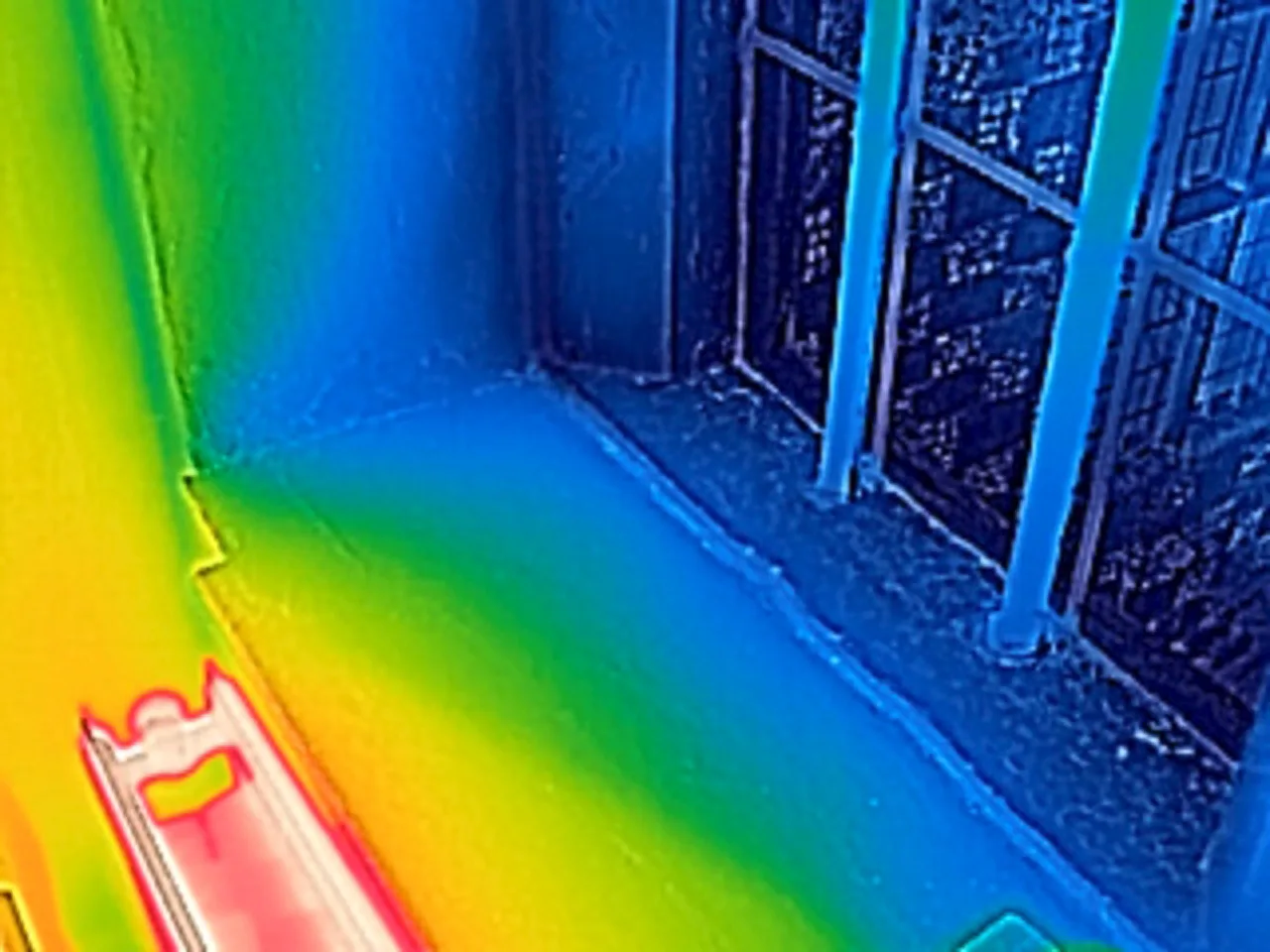
During the thermal survey, areas where surface temperatures approach or fall below the calculated dew point are flagged as condensation risk zones. These typically manifest as cold thermal anomalies on internal surfaces, frequently corresponding to areas of thermal bridging (such as structural steel frames, concrete lintels, or uninsulated wall ties), areas of insulation failure or absence, air leakage pathways, or concealed moisture ingress. Each anomaly is documented with a radiometric thermal image, measured temperature data, and a written assessment of the condensation risk relative to the surveyed dew point.
A critical aspect of professional interpretation is distinguishing between areas that are merely cool and areas where the surface temperature is actually at or below the dew point. A poorly qualified or inexperienced thermographer may note a cold area without making this distinction, producing a report that creates concern without providing meaningful diagnostic information. At Level 3, our analysis provides clients with a quantified assessment of how far each anomaly is from the condensation threshold, a figure that carries direct design and remediation implications.
Step 4: Reporting with Scientific Defensibility
Our thermography reports are structured to a professional standard, with all environmental data recorded, emissivity assumptions stated, and thermal images presented alongside their visible-light equivalents for accurate context. Each condensation risk finding is referenced to the calculated dew point and given a risk classification that reflects the magnitude of the temperature differential between the measured surface and the dew point threshold. Where surface temperatures are within 2°C to 3°C of the dew point, we classify these as elevated risk zones requiring monitoring or investigation. Where surface temperatures are at or below the dew point, we classify these as active condensation sites requiring immediate remediation consideration.
This scientific framing makes our reports directly usable by architects, building surveyors, engineers, and contractors who need defensible evidence to support design decisions, remediation scoping, or insurance or legal proceedings. We also offer a standalone Level 3 report writing service for thermographers at Levels 1 and 2 who require an independent, higher-qualification review of their thermal data, details of which can be found on our Report Writing Services page.
The Relationship Between Dew Point, Condensation, and Mould Growth
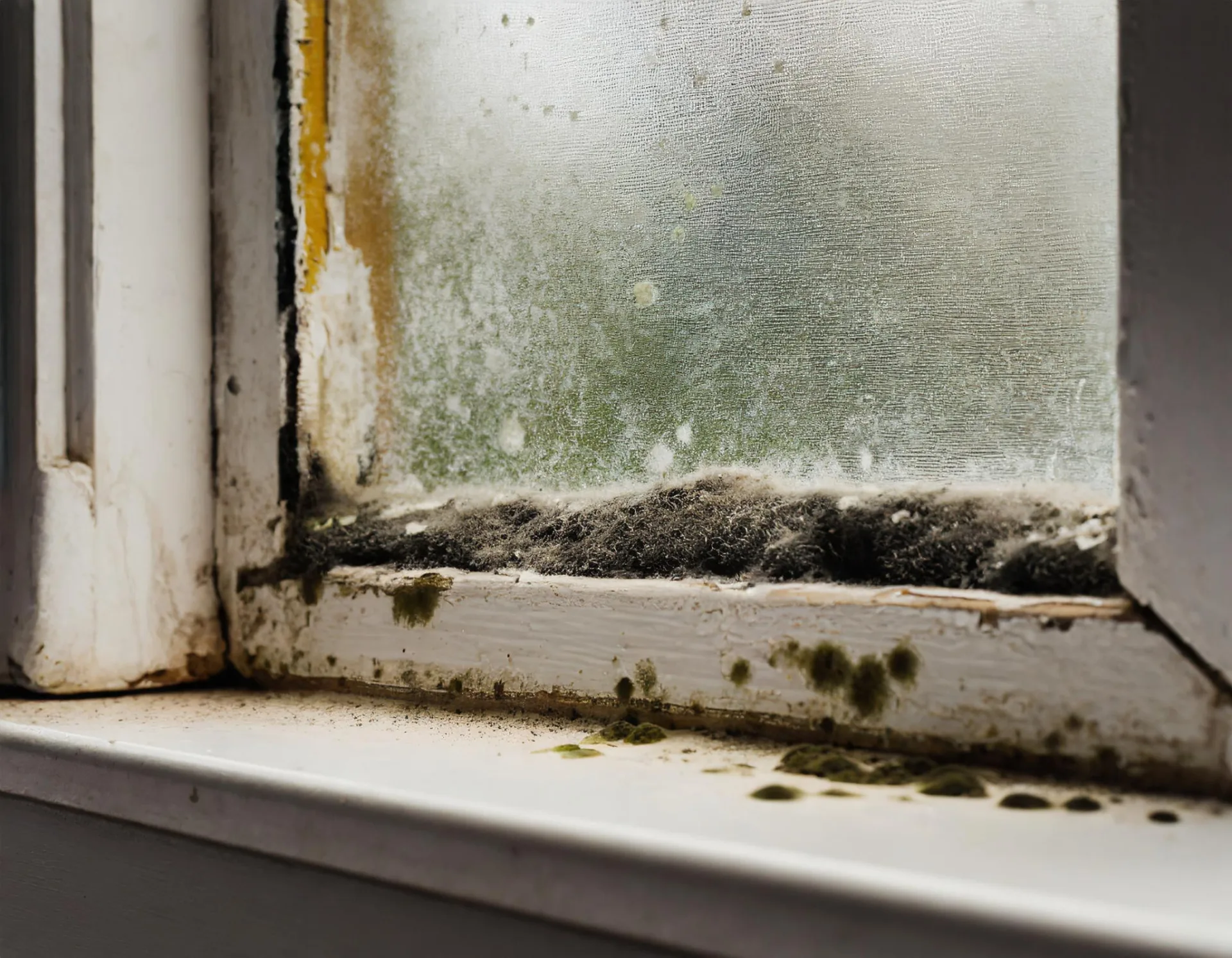
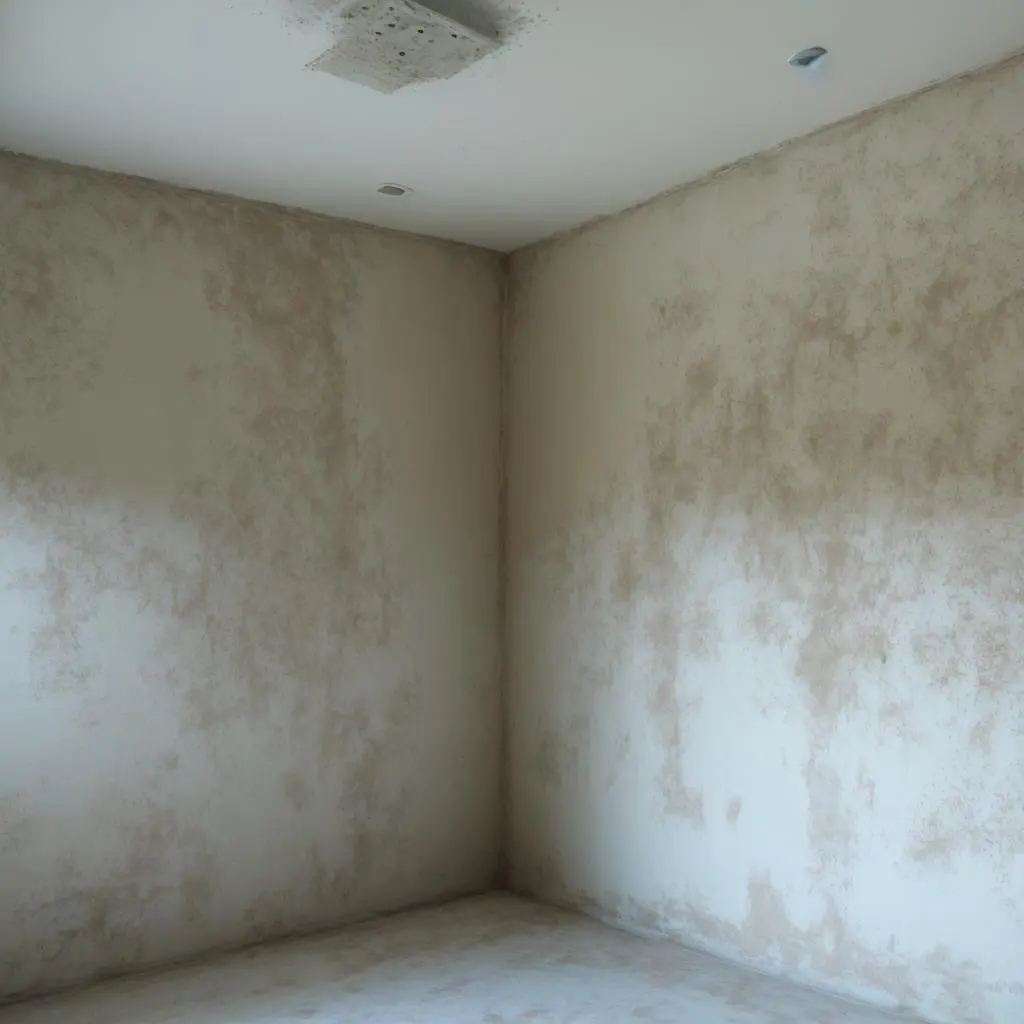
Mould colonisation in buildings is fundamentally a moisture problem. Mould spores are ubiquitous in the environment and will germinate and grow wherever the moisture content of a surface or material remains above a critical threshold for a sustained period. The moisture that feeds mould growth is frequently the product of condensation at or near surfaces that are persistently below the dew point, and this is where dew point analysis in thermography becomes a direct mould risk assessment tool.
When a surface temperature falls below the dew point, moisture begins to accumulate. Over time, particularly in areas of restricted air movement such as behind furniture placed against external walls, within reveals, or in poorly ventilated roof voids, this accumulated moisture creates conditions in which common building moulds, including Cladosporium, Penicillium, and Aspergillus species, can establish and thrive. These organisms not only cause cosmetic damage but produce volatile organic compounds and allergens that can significantly affect indoor air quality and the health of building occupants.
A thermography survey that correctly identifies and quantifies the condensation risk at surfaces, grounded in accurate dew point analysis, provides building owners, facilities managers, and housing providers with objective evidence of where mould risk is highest. This evidence can be used to prioritise remediation, direct ventilation improvements, and support the case for insulation upgrades or thermal bridge mitigation works. It also provides a pre-remediation baseline against which post-remediation thermography can demonstrate that improvements have been effective.
Why Survey Conditions Directly Affect the Validity of Dew Point Analysis
One of the less-discussed but critically important aspects of building thermography is the fact that survey results are only valid within specific environmental conditions. This is not merely good practice guidance; it is a scientific necessity rooted in the physics of heat transfer and the limitations of infrared measurement. A survey carried out in inappropriate conditions will yield thermal images that cannot be reliably interpreted, however sophisticated the camera equipment used.
For dew point analysis to be meaningful, the relative humidity indoors needs to be representative of habitual occupancy conditions. Surveys carried out in vacant properties with low humidity and low occupancy loads will record a dew point that does not reflect the condensation risk experienced during normal use. Conversely, surveys following recent heavy rain, cooking, drying of laundry, or bathing without ventilation may record temporarily elevated humidity that inflates the apparent condensation risk. Our survey protocols include an occupant questionnaire or facilities management briefing to understand the typical indoor environment before survey conditions are assessed as representative.
It is also important that the survey is conducted during a period of thermally stable conditions, ideally following at least 24 hours without significant solar gain on the facades being assessed. Solar loading heats wall surfaces from the outside, which temporarily masks cold bridges and moisture anomalies on internal surveys. We schedule surveys with these constraints in mind, and our survey reports always state the conditions under which the inspection was carried out so that the limitations and scope of the data are fully transparent.
| Survey Condition | Impact on Dew Point Analysis |
|---|---|
| Insufficient indoor/outdoor temperature differential (<10°C) | Thermal gradient too shallow to drive meaningful heat flow; anomalies may be masked |
| Excessive solar gain on surveyed facades | Masks cold bridge and moisture anomalies on external surface surveys |
| Atypically low indoor humidity | Dew point may underestimate condensation risk in normal occupancy |
| Atypically high indoor humidity (post-washing, cooking) | Dew point may overestimate risk; results need contextualising |
| Survey immediately after rainfall | Wet masonry alters apparent thermal signature; moisture may show artificially high |
| Heating system recently switched on or off | Building fabric not at thermal equilibrium; surface temperatures unrepresentative |
How common survey conditions affect the validity of dew point analysis in building thermography.
Arrange a Building Thermography Survey
If you have concerns about condensation, dampness, mould risk, insulation performance, or unexplained heat loss in a building, a dew point-informed thermography survey is the most effective non-invasive diagnostic tool available. Our Level 3 surveys provide scientifically grounded, professionally reported results that can be used to direct remediation, support planning decisions, or provide evidence for insurance and legal purposes.
Contact us to discuss your requirements, and we will advise on the appropriate survey scope, the optimal time of year for a valid survey at your property, and the format of reporting that will best serve your needs. We offer competitive pricing with no-obligation quotations and are happy to work with architects, surveyors, housing managers, and facilities teams as well as direct with property owners.
Building Survey Applications Where Dew Point Analysis Is Most Valuable
Residential and Commercial Properties with Recurring Dampness Complaints
Where tenants, occupants, or building managers are experiencing recurring damp or mould issues and conventional visual inspection has not identified a clear cause, thermography with dew point analysis can provide the diagnostic clarity needed. By identifying the specific locations where surface temperatures fall below the dew point under typical occupancy conditions, the survey delivers objective evidence to distinguish between condensation caused by thermal bridge defects, insulation failures, or occupant behaviour, a distinction that has significant implications for remediation responsibility and approach.
Energy Performance and Building Fabric Assessment
In the context of energy performance assessments, SAP calculations, and EPC uplift strategies, a thermography survey incorporating dew point analysis reveals not just where heat is being lost, but where that heat loss creates a secondary risk through condensation and moisture accumulation. Thermal bridges that lower surface temperatures to near-dew-point conditions increase both heat loss and moisture risk simultaneously, and addressing them delivers benefits both in terms of energy efficiency and occupant health. Our reports can be used to support improvement planning and to provide evidence of compliance with building regulations Part L and Part C requirements.
Pre-Purchase and Pre-Lease Surveys
Building professionals, investors, and prospective tenants commissioning a thermography survey before purchase or lease are specifically interested in understanding the latent moisture and condensation risks within the building fabric. A Level 3 survey with dew point analysis goes beyond what a standard surveyor’s visual inspection can detect, identifying hidden cold bridges, concealed moisture ingress, and insulation defects that would not be visible to the naked eye. This intelligence can inform negotiation on price or condition precedents, and can identify risks that would otherwise only become apparent once occupation begins.
Post-Remediation Verification
Following insulation upgrades, external wall insulation installation, internal dry-lining, or other fabric improvement works, a thermography survey with dew point analysis provides objective evidence that the remediation has been effective. By demonstrating that previously below-dew-point surface temperatures have been raised above the condensation threshold under equivalent environmental conditions, the survey provides a scientifically defensible confirmation of improvement, useful both for warranty purposes and for ongoing maintenance planning.
FAQ’s
Industries such as solar energy, building diagnostics, and electrical system maintenance benefit significantly from Level 3-certified thermography reports. These reports are crucial for identifying issues like overheating electrical components, insulation failures, or photovoltaic inefficiencies, ensuring optimal performance and safety.
Insurance companies require certified Level 3 thermography reports to assess risks accurately and validate claims. By ensuring inspections are compliant with industry standards and conducted by a qualified expert, these reports minimise the risk of errors, fraudulent claims, or overlooked issues, safeguarding both insurers and policyholders.
Yes, certified Level 3 thermography reports are often required in legal cases involving equipment failures, structural issues, or disputes. These reports provide impartial, evidence-based analysis that complies with ISO standards, making them reliable for court submissions and expert witness testimonies.
For Solar Maintenance and Operations (O&M) companies, certified reports ensure compliance with industry standards like IEC 62446-3, enhancing operational efficiency and client trust. They identify performance issues, such as defective modules or hotspots, helping O&M teams take proactive measures to maintain system reliability and performance.
Our process begins with thermal data collection by either our team or your Level 1 or Level 2 thermographers. This data is then analysed by a certified Level 3 thermographer, who compiles the findings into a professional report. The report includes detailed analysis, actionable recommendations, and certification, ensuring compliance with relevant standards.
Our reports adhere to ISO 18436-7 for thermography and IEC 62446-3 for solar panel inspections. These standards ensure inspections are conducted with precision, and the findings are documented accurately, making them reliable for insurance claims, legal proceedings, or operational decisions.
White-labelling allows our Level 3-certified reports to be branded under your business name, enhancing your professional credibility. This means you can offer world-class thermography reporting services to your clients without needing in-house Level 3 expertise. It’s a cost-effective way to expand your services while maintaining compliance and professionalism.
No, Level 1 thermographers are trained to collect thermal data but are not authorised to analyse, interpret, or certify findings. Certification requires a Level 3 thermographer, who is qualified to validate the data, perform in-depth analysis, and ensure compliance with industry standards like ISO 18436-7.
A Level 3 thermographer is the highest certification level in the thermography field, qualified to analyse, interpret, and certify thermal imaging reports in compliance with ISO standards. Unlike Level 1 and Level 2 thermographers, they have advanced training to supervise inspections, ensure data accuracy, and certify findings. Their expertise is critical for producing professional reports required by insurance companies, legal teams, and Solar Maintenance and Operations (O&M) companies.
Solar panel inspections must comply with IEC 62446-3, which mandates that thermal imaging inspections be performed or reviewed by a certified Level 3 thermographer. This ensures anomalies, such as hotspots or defective modules, are accurately identified and documented. Level 3 certification guarantees that reports meet international standards, providing insurance companies and O&M firms with reliable data for decision-making.