Solar Panel Thermal Imaging Inspections

Optimising Solar Panel Efficiency with Advanced Thermal Imaging & Electrical Inspections
Thermal Imaging and Thermography for Solar Panel Inspections in Domestic and Commercial Properties
Thermal imaging is revolutionising how we inspect and maintain solar panel systems. At Thermography Services UK, we specialise in providing comprehensive thermography services for both domestic housing and commercial buildings. Using advanced infrared technology, our certified Level 3 thermographers identify inefficiencies, malfunctions, and safety risks in photovoltaic (PV) systems.
We carry out certified thermographic inspections of solar PV installations in line with IEC 62446-3:2017, using drone and ground-based thermal imaging equipment. Our inspections are conducted under structured protocols, focusing on fault detection at the module and string level.
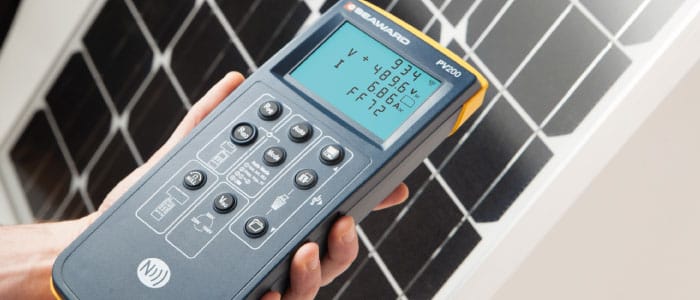
For clients requiring a deeper assessment, we now also offer optional string-level electrical testing, fully compliant with IEC 62446-1:2016. This allows correlation between visible thermal anomalies and electrical performance issues, providing a comprehensive inspection and reporting solution.
With our expertise, you can ensure peak performance, extend system lifespan, and protect your investment.
Why Choose Thermal Imaging for Solar Panels?
- Thermal imaging is a non-invasive technique that visualises temperature variations across solar panels, revealing issues like overheating cells and electrical faults.
- Ensures energy production efficiency and early detection of system underperformance.
Benefits of Solar Panel Thermography:
- Detect hotspots that indicate failing cells or connectors.
- Identify shading issues and misaligned panels.
- Prevent potential fire risks from overheating components.
- Optimise energy output by addressing inefficiencies.
Our Process:
- Conduct aerial and ground-based thermal imaging surveys.
- Analyse thermal patterns to detect irregularities.
- Provide detailed reports with actionable recommendations.
Compliance and Standards:
- Our inspections adhere to IEC 62446-3:2017 standards for outdoor infrared thermography on PV systems.
- Ensure compliance with regulatory requirements for both residential and commercial installations.
Why Choose Thermal Imaging for Solar Panels?
Thermal imaging, also known as infrared thermography, is a cutting-edge technology designed to detect temperature variations across solar panels. For private homeowners, this means identifying issues such as hotspots or electrical faults that can compromise the efficiency and safety of their photovoltaic (PV) systems. Regular thermal inspections ensure that your solar panels operate at peak performance, allowing you to maximise energy output and reduce long-term maintenance costs. By identifying potential problems early, homeowners can avoid costly repairs or replacements.
Add-On Service: String-Level Electrical Testing
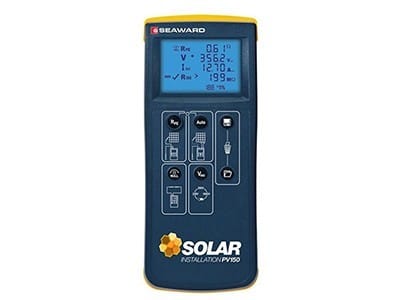
Alongside thermographic inspection, we offer optional string-level electrical testing using industry-grade, IEC-compliant test instruments.
These tests assess:
- Open-circuit voltage (Voc)
- Short-circuit current (Isc)
- Polarity
- Insulation resistance (IR)
- I-V curve tracing (IEC 61829)
Testing is conducted safely at ground level without inverter disassembly or rooftop access. The results help identify hidden electrical issues such as poor current output, degraded insulation, or string mismatch — all of which may align with thermal anomalies detected in the survey.
Benefits of Solar Panel Thermography for Homeowners
Homeowners who invest in thermal imaging inspections benefit from increased energy efficiency and peace of mind. Hotspots caused by failing cells or damaged connectors can lead to a significant drop in energy production, directly impacting your return on investment. Additionally, thermography can identify shading issues, misaligned panels, or debris that may go unnoticed during visual inspections. By addressing these inefficiencies, homeowners can optimise their solar energy production and extend the lifespan of their systems.
Compliance with Insurance Requirements
Many insurance providers require homeowners to demonstrate that their PV systems are inspected and maintained by certified professionals. Adhering to the IEC 62446-3:2017 standard is essential for compliance. Certified thermographers ensure inspections meet the rigorous criteria outlined in this standard, providing reliable, high-quality reports that insurance companies trust. Regular thermography not only ensures your solar installation is safe and efficient but also protects your investment by maintaining valid insurance coverage.
How Certified Thermographers Add Value
Certified thermographers possess the expertise and tools to conduct thorough, accurate inspections. Using high-resolution infrared cameras, they can detect even minor irregularities that could escalate into significant issues. Homeowners benefit from detailed reports that highlight problems and recommend corrective actions. The certification under IEC 62446-3:2017 guarantees that the inspection process is both standardised and compliant with industry requirements, giving homeowners confidence in the integrity of their solar systems.
A Sustainable and Cost-Effective Solution
Thermal imaging supports homeowners in achieving their sustainability goals by ensuring their solar systems operate efficiently. By maintaining optimal energy production, homeowners can reduce their reliance on non-renewable energy sources and lower their carbon footprint. Additionally, addressing faults early through regular thermography reduces repair costs and extends the operational lifespan of the system, making it a cost-effective solution in the long term. Compliance with certified inspections also safeguards warranty and insurance claims, providing financial security.
service related FAQ’s
For accurate results, the IEC 62446-3:2017 standard requires:
- Clear sunny sky conditions with at least 600W/m² of solar irradiance.
- Minimal wind speeds to avoid heat dissipation from convection cooling and affecting thermal readings.
- No Rain, Moisture, Dew, Snow, Mist to avoid heat dissipation from convection cooling and affecting thermal readings.
These conditions ensure precise thermal imaging and prevent false readings due to environmental interference.
Simply visit our website and select an inspection package nd complete the booking form. It’s fast, easy, and secure!
Thermography helps optimise energy production, identify risks, and extend the lifespan of your PV system.
Thermal imaging works for all PV systems, including residential, commercial, and industrial setups.
Most inspections are completed in under 30 minutes, and no more than an hour depending on the locatiion, making the process quick and hassle-free.
IEC 62446-3:2017 is the international standard for thermal imaging inspections of solar photovoltaic (PV) systems. It ensures that all thermal assessments are conducted using certified thermographers, calibrated infrared cameras, and optimal environmental conditions. This standard helps detect hotspots, electrical faults, and degradation, preventing energy losses and safety hazards such as fire risks and overheating components.
This is the international standard for Photovoltaic (PV) Module Inspections, ensuring your system meets safety and performance benchmarks. It covers the training of the thermographer, the equipment used, the report completed, and the environmnetal comliant conditions required for the inspection.
Yes. Thermal imaging can identify cracks, hotspots, or other issues caused by storms, even if they aren’t visible. Naturally, missing, moved or dislodged panals are always reported