
Our Thermography Projects, Portfolio & Case Studies
At Thermography Services (UK), we specialise in advanced thermal imaging solutions across a wide range of industries. We apply state-of-the-art thermography to detect faults, improve energy efficiency, and enhance safety in domestic, commercial, and industrial settings.
From solar panel inspections and electrical surveys to building heat loss assessments and fire monitoring, our expertise ensures accurate diagnostics and data-driven solutions. As Level 3 Certified Master Thermographers, we adhere to industry standards, providing clients with reliable, compliant thermal imaging reports. Explore our case studies to see how we help homeowners, businesses, and insurers make smarter, safer decisions with expert thermographic analysis.
Discover our latest thermography projects below.
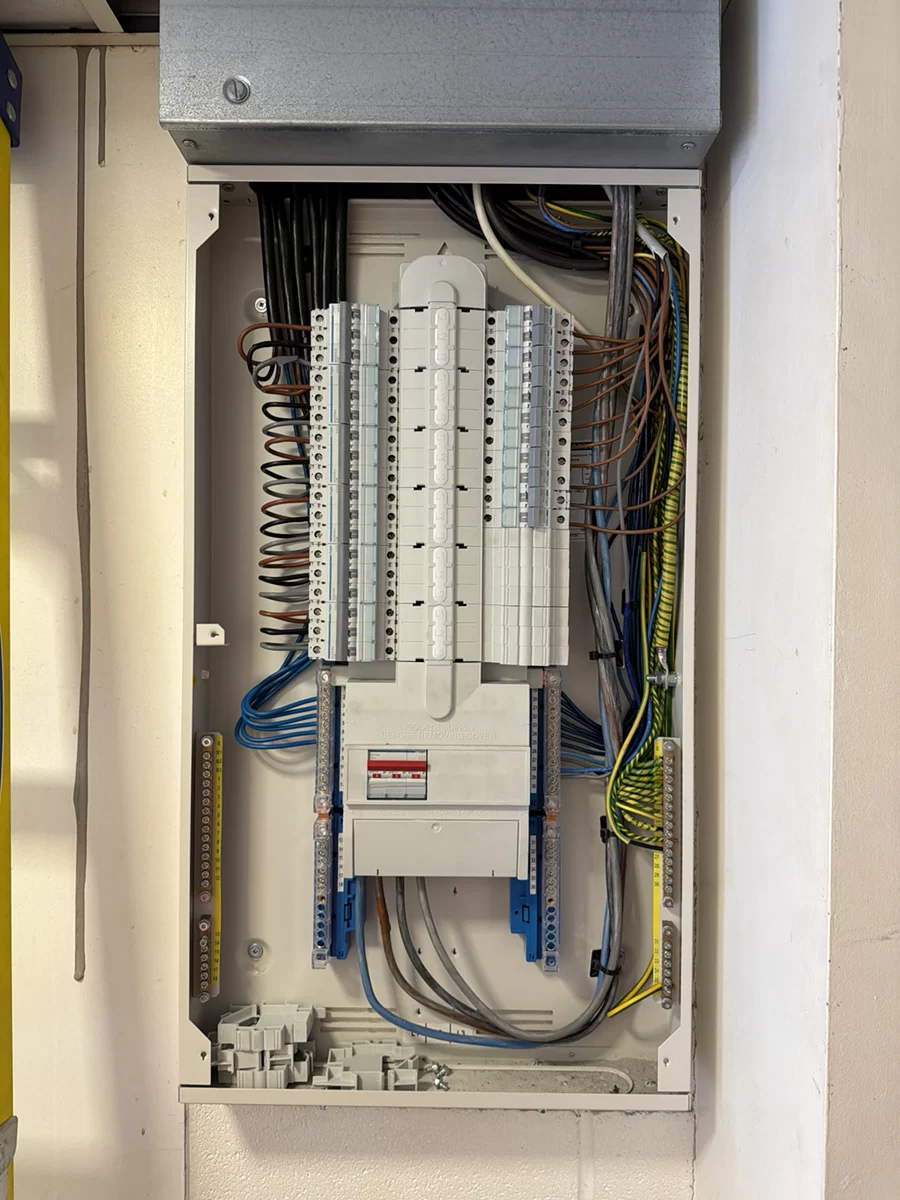
Thermography Services (UK) carried out a Level 3 electrical thermographic condition screening of eleven distribution boards at a casino in Cardiff, commissioned to support the venue's insurance position on its fixed wiring. Every board was surveyed energised and under attested load, with fifty thermograms classified for severity and operational consequence. The installation was found to be operating normally, with two conditions referred for further investigation. Survey, analysis and reporting delivered under certified Level 3 thermographic oversight.
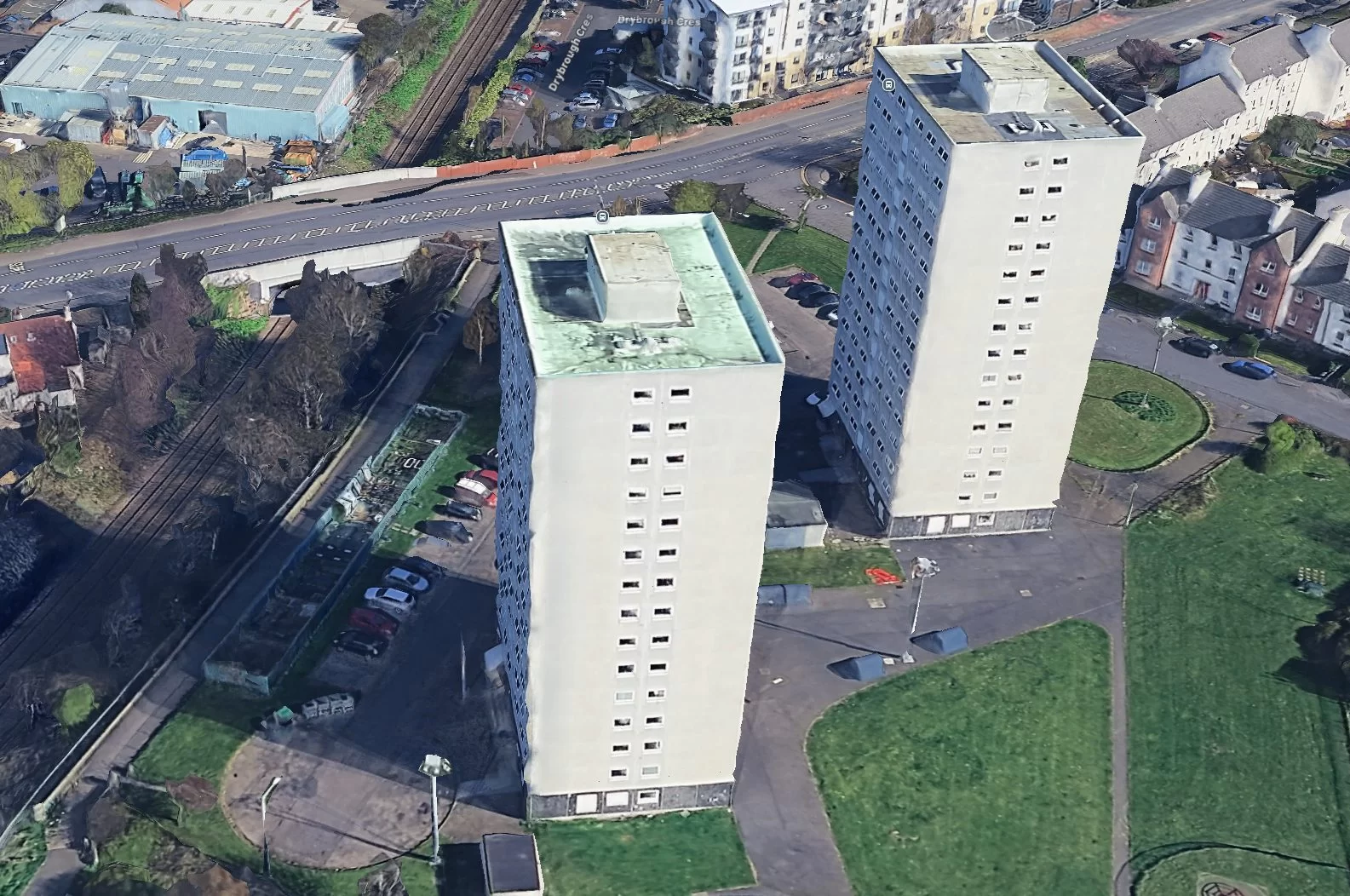
A Level 3 thermographic assessment of a high-rise residential block in Edinburgh, commissioned as part of a pre-refurbishment condition programme. Thermal and RGB imagery captured by a third-party Level 1 operator was reviewed, annotated and classified under Level 3 oversight in accordance with EN 13187 and ISO 6781-3. Findings across 18 thermograms included structural thermal bridging, roof moisture indicators, and pervasive fabric heat loss. A complete, standards-aligned Level 3 report was delivered by Thermography Services (UK).
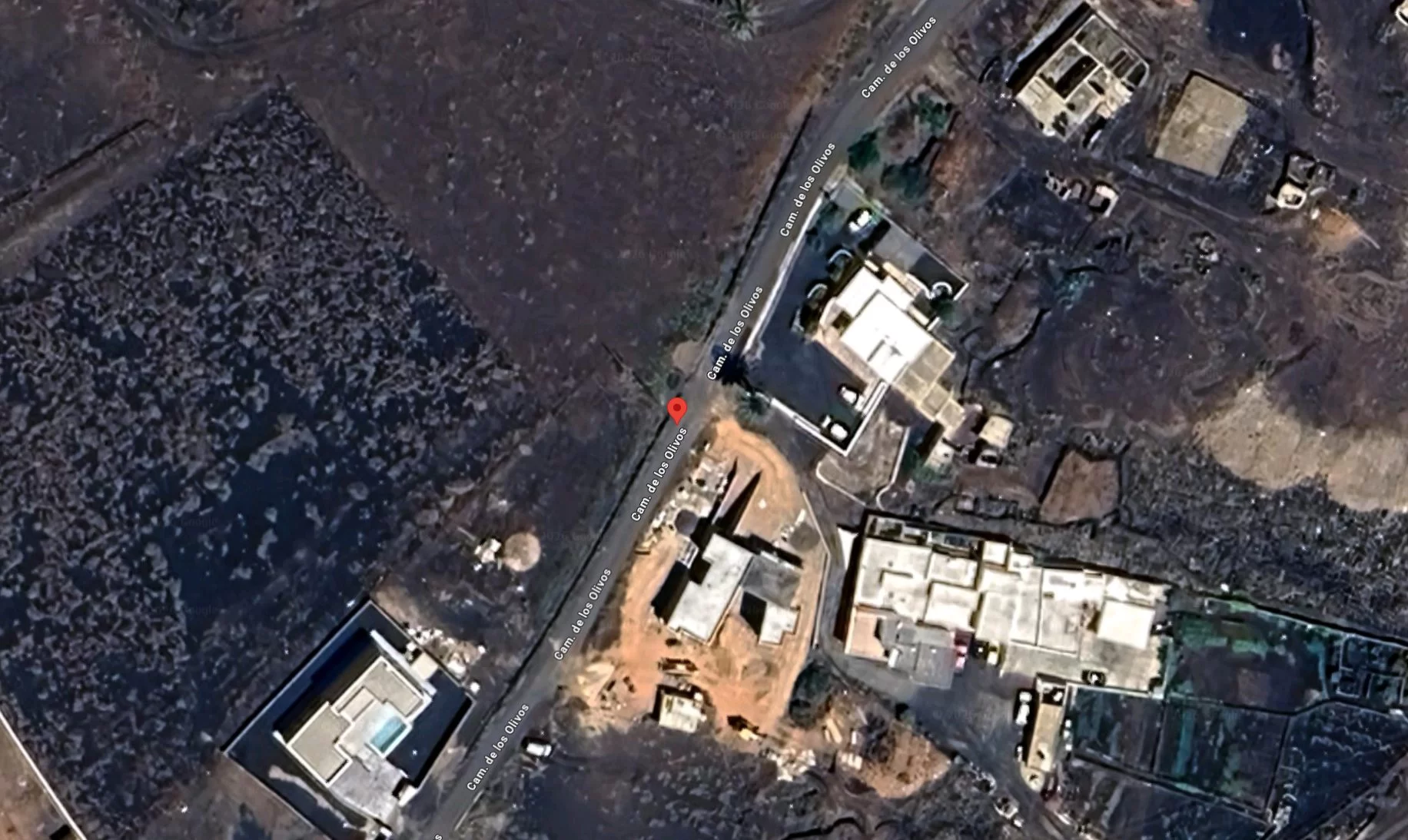
Thermography Services (UK) provided Level 3 thermographic analysis and reporting consultancy for a 517 m municipal water pipeline corridor survey in Lanzarote, Canary Islands. Pre-dawn aerial radiometric data was analysed across 42 thermograms using a purpose-built dual-baseline two-pass classification methodology developed for a shared-trench detection environment. Six confirmed candidate locations were identified for ground investigation under Level 3 Master Thermographer supervision. This is Part One of a two-part project record.
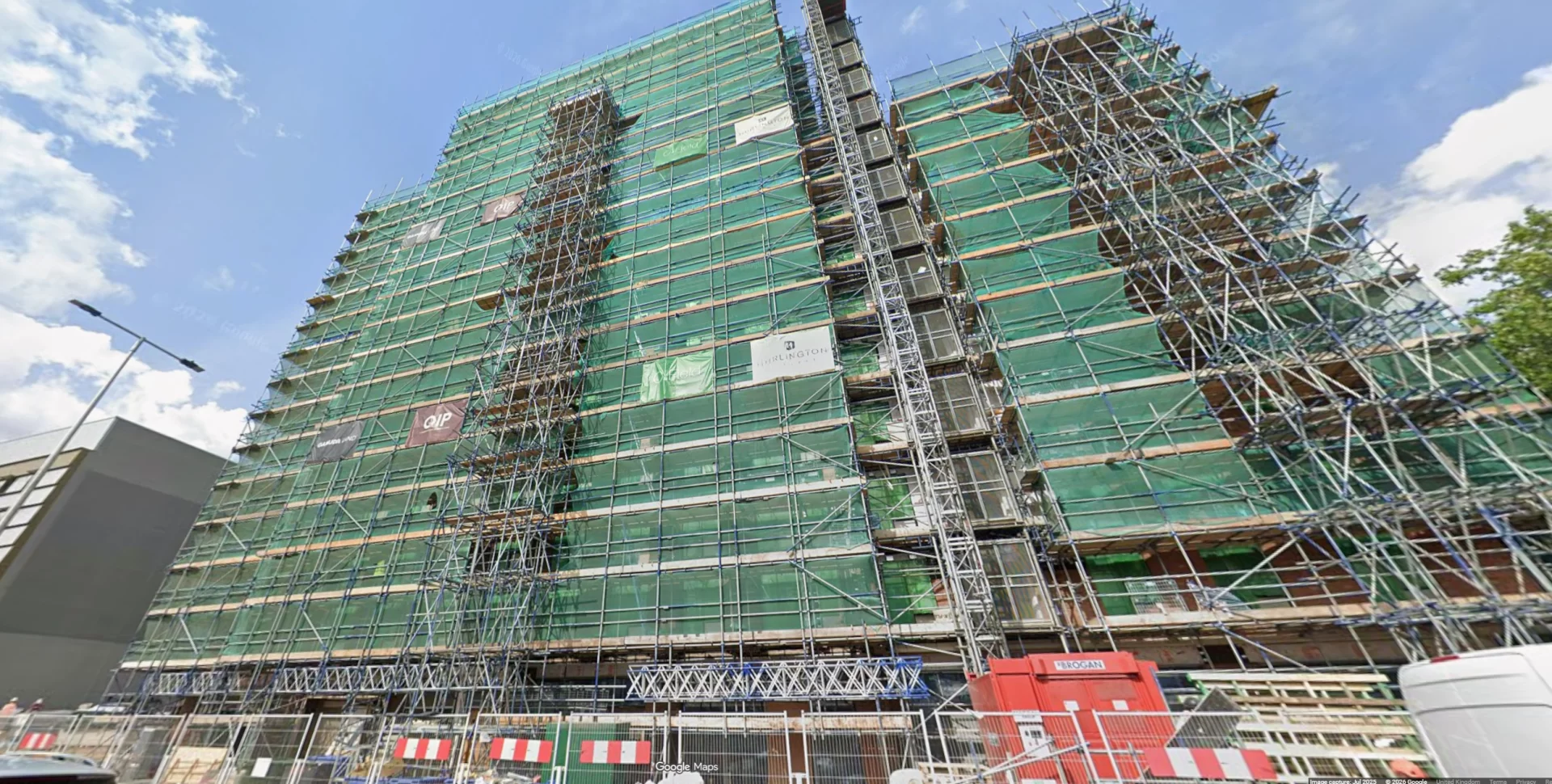
A building performance consultancy commissioned Thermography Services (UK) to provide Level 3 thermographic analysis and certified reporting for a BREEAM new construction assessment at a multi-storey student development in London. Our Level 3 Master Thermographer reviewed a 28-thermogram dataset submitted by the consultancy’s Level 1 thermographer, corrected taxonomy and severity entries, confirmed a significant glazing head fault condition using comparative unit analysis, and delivered a certified FLIR Studio report and Word summary for BREEAM submission.
A Level 3 thermographic assessment of a high-rise residential block in Edinburgh, commissioned as part of a pre-refurbishment condition programme. Thermal and RGB imagery captured by a third-party Level 1 operator was reviewed, annotated and classified under Level 3 oversight in accordance with EN 13187 and ISO 6781-3. Findings across 18 thermograms included structural thermal bridging, roof moisture indicators, and pervasive fabric heat loss. A complete, standards-aligned Level 3 report was delivered by Thermography Services (UK).
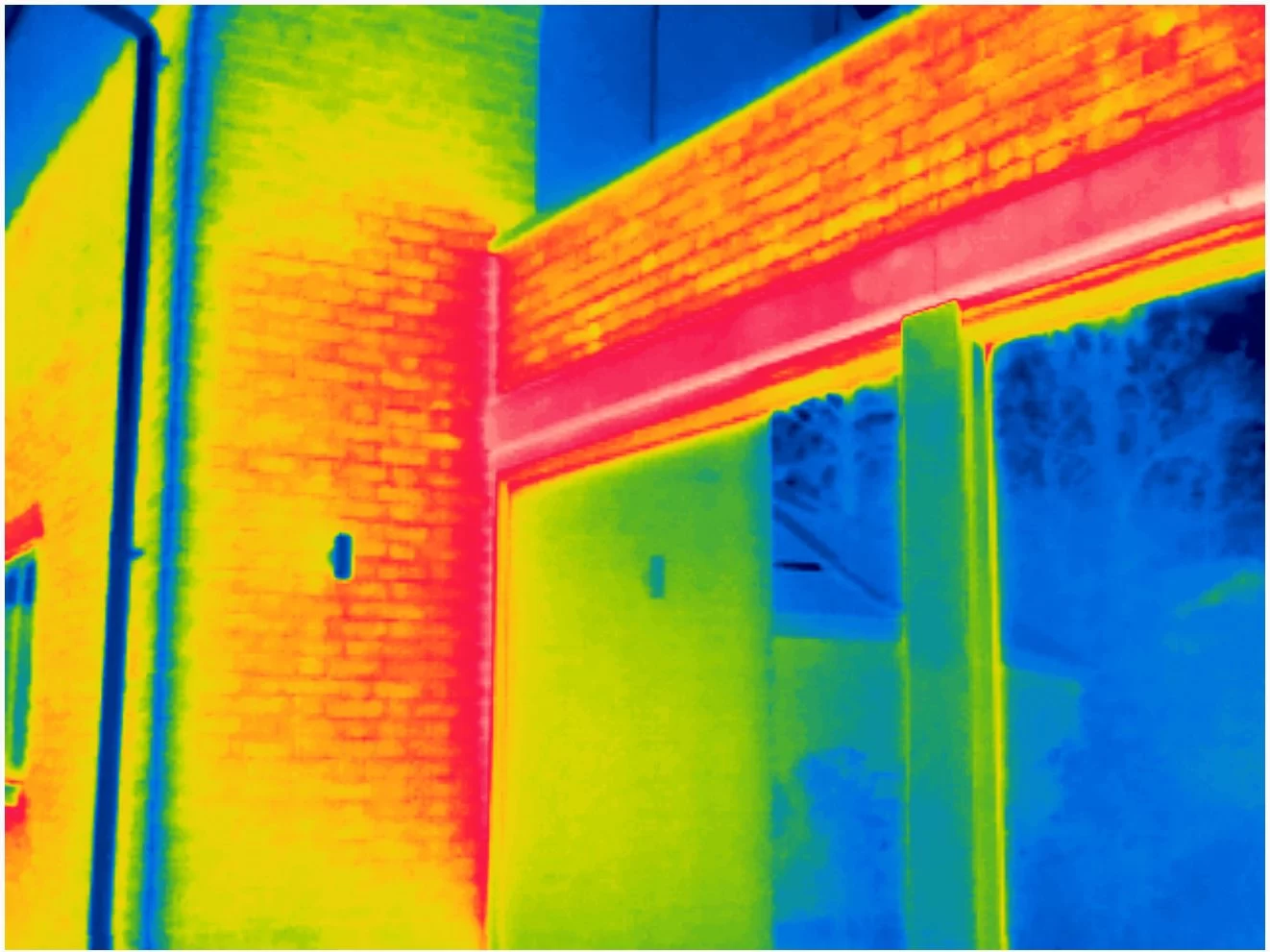
A combined internal and external building envelope thermographic inspection was commissioned for a new-build residential property to investigate thermal performance concerns. Conducted to BS EN ISO 6781-1:2023 under Level 3 Master Thermographer certification, the survey identified widespread insulation deficiency across the first-floor ceiling void, continuous ground-floor perimeter thermal bridging, confirmed air infiltration at two locations, and sustained external wall surface heat loss across multiple elevations. Findings were compiled into a professionally structured, defensible report.
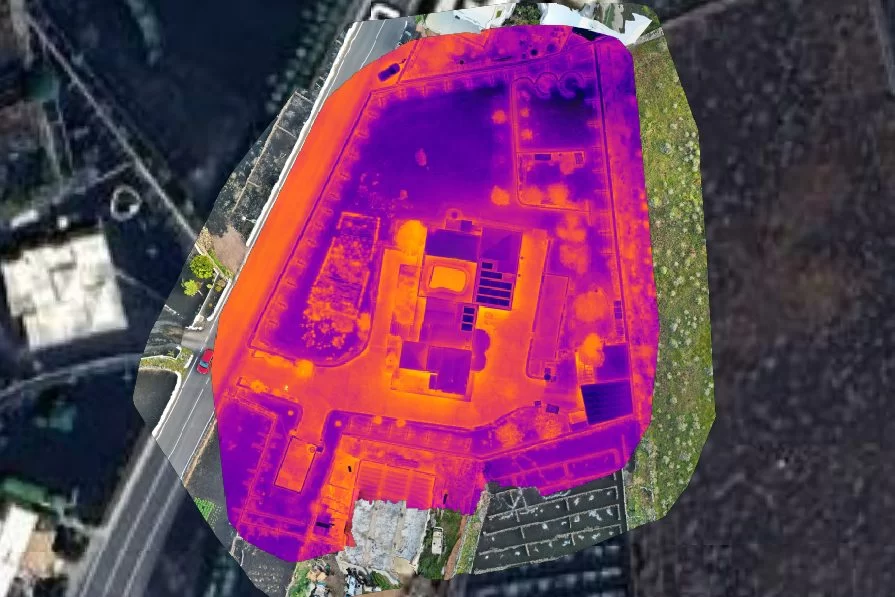
A dawn aerial thermographic survey was conducted at a Lanzarote winery estate to identify subsurface irrigation pipe leakage beneath a stamped concrete driveway. Delivered as a collaborative project between Thermography Services (UK) and Skynox Drones, with Level 3 supervised analysis and reporting by TSUK, the survey identified a primary high-confidence candidate zone supported by multi-angle thermal corroboration and independent physical evidence. A rigorous post-survey RGB review ensured only fully scrutinised findings were reported.
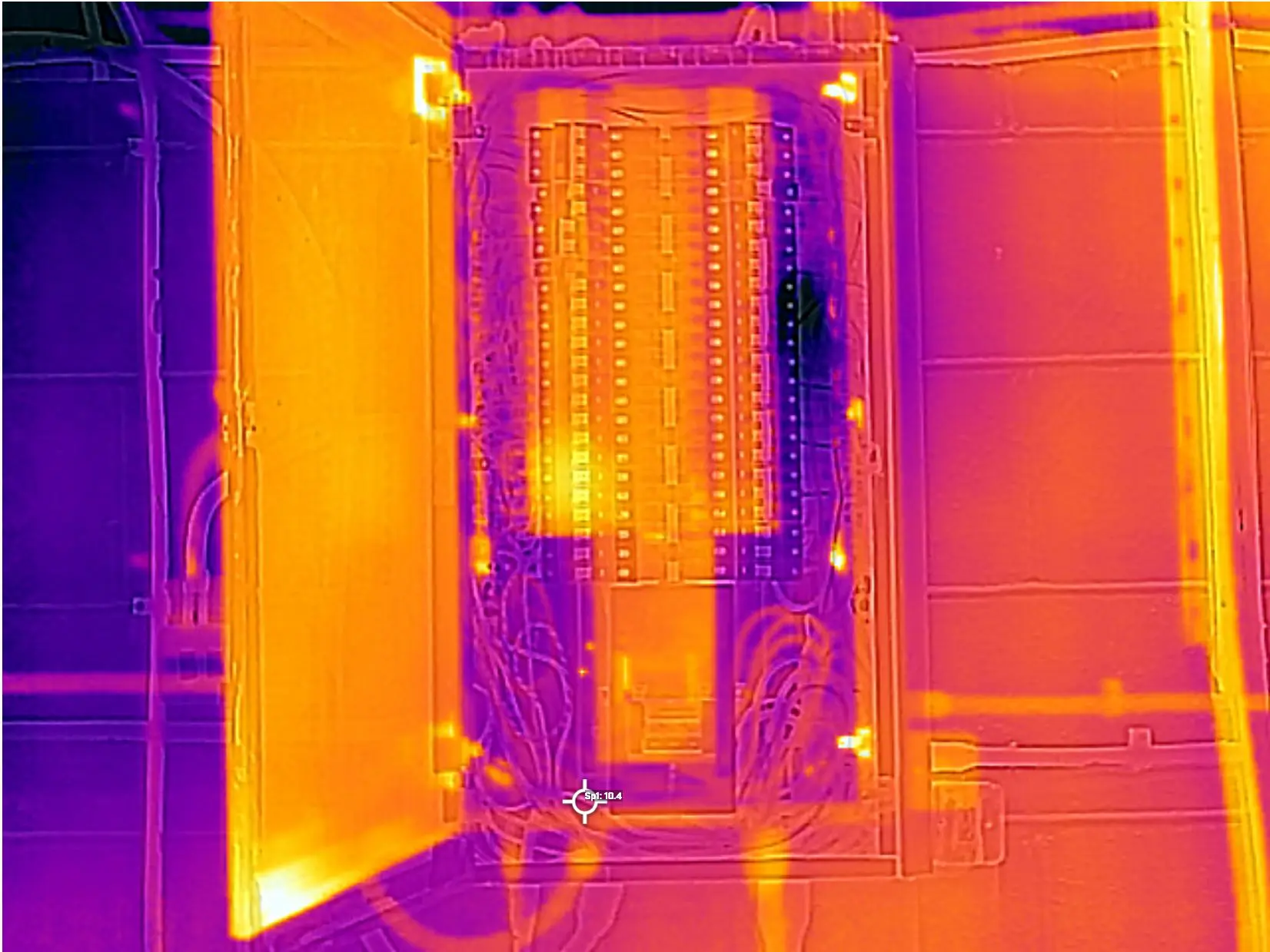
An insurance-led electrical thermography survey was conducted across seven commercial distribution boards to assess fire risk and operational integrity. Using Level 3 supervised infrared inspection aligned with ISO 18436-7 the survey identified predominantly stable thermal performance with one advisory-level RCBO observation consistent with load conditions. No critical anomalies were detected. The project demonstrates how structured electrical thermography supports insurer compliance, condition-based maintenance and evidence-led risk management.

A comprehensive domestic thermography survey identified roof insulation irregularity, variable cavity wall injection performance, slab-to-ground heat loss and structural thermal bridging within a traditional cavity masonry home. While the central heating system was operating effectively, cumulative fabric-level inefficiencies were contributing to reduced heat retention. This project demonstrates how Level 3 thermographic interpretation can diagnose building heat loss scientifically, non-intrusively and in accordance with recognised professional standards.

A Level 3 domestic thermography survey of a mid-century bungalow with modern extension revealed consistent loft insulation discontinuity, cumulative window thermal bridging, and junction-level heat loss. Internal and external infrared imaging under controlled winter conditions provided evidence-based insight to support architectural redesign and targeted refurbishment. The inspection identified moderate but widespread inefficiencies, offering a structured foundation for improving thermal performance, comfort, and long-term energy efficiency without intrusive investigation.